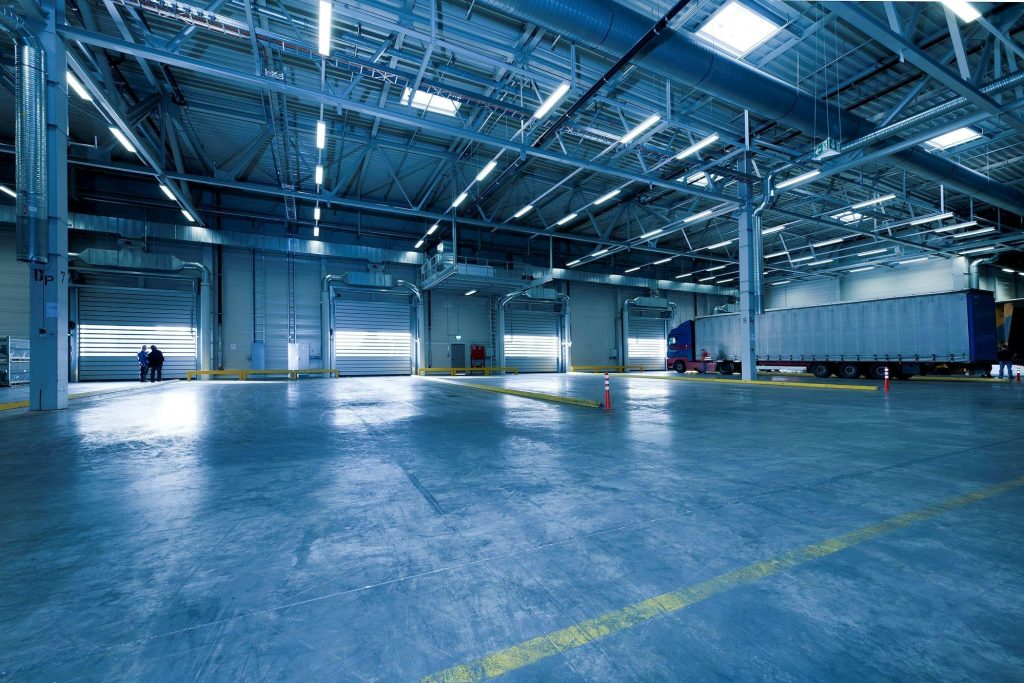
How Industrial Property Valuation Works — and Why It’s Not the Same as Commercial or Residential
How Industrial Property Valuation Works — and Why It’s Not the Same as Commercial or Residential
When people hear “commercial property,” they often think of offices, shops, or mixed-use developments. But industrial property — such as factories, warehouses, workshops, and distribution facilities — is an entirely different asset class with its own set of rules, risks, and valuation methods.
If you’re a business owner, investor, or professional involved in the sale, purchase, or management of industrial property in the Garden Route, understanding how these assets are valued is critical to protecting your investment.
Table of Contents
What Makes Industrial Valuation Unique?
Industrial properties are valued based not just on size or location, but on their functionality, logistics, and income potential. Two properties with similar square metre sizes can differ drastically in value depending on:
- Access for heavy vehicles
- Floor load capacity
- Ceiling height
- Power supply
- Fire suppression systems
- Subdivision potential
- Yard space and truck manoeuvrability
These are highly practical buildings — and their value reflects how well they serve specific operational needs.
The Most Common Mistake: Comparing Rates per Square Metre
Unlike residential or retail spaces, industrial properties can’t reliably be priced using a blanket rate per square metre. A steel structure with 6m clearance and roller doors will not have the same value as a face-brick building with substandard loading access and low eaves — even if they are the same size.
Factors such as tenant mix, lease terms, and infrastructure also affect the return on investment and marketability, especially for multi-tenant properties or light industrial parks.
Key Elements a Valuer Assesses in Industrial Property Valuation
1. Zoning and Permitted Use
Industrial zoning categories can vary significantly — from light manufacturing to heavy industry — and the allowable uses have a direct impact on value. If a buyer’s intended use isn’t permitted, the property becomes less attractive.
2. Lettable Area and Layout
The size and efficiency of the usable space is critical. A valuer will assess:
- Total gross lettable area (GLA)
- Ratios of warehouse to office space
- Internal layout, mezzanines, and amenities
- Flow of goods and personnel within the building
3. Access and Vehicle Movement
Truck access, turning circles, entrance widths, and yard depth all play a role — particularly for logistics and warehousing properties. A building may be functionally obsolete if access is too tight for today’s delivery standards.
4. Structural Features and Services
Industrial buyers and tenants often look for:
- Reinforced floors with high load capacity
- Sufficient power supply (e.g. three-phase electricity)
- Loading bays and roller shutter doors
- Fire detection or sprinkler systems
- Ceiling heights and racking potential
These features affect both usability and rental income, and must be accurately measured and assessed.
5. Tenancy and Lease Agreements in Industrial Property Valuation
If the property is income-generating, the strength of lease agreements becomes central to valuation. Important factors include:
- Remaining lease terms
- Rental escalation clauses
- Maintenance responsibilities
- Tenant creditworthiness
For owner-occupied properties, the valuer will use comparable owner-occupier sales, adjusted for condition and location.
Market Trends and Location Factors
In areas like George, Mossel Bay, and Oudtshoorn, demand for industrial space has grown in response to regional logistics and business expansion. However, not all industrial nodes perform equally. Proximity to transport routes, visibility from major roads, and access to the N2 or R102 can all enhance a property’s appeal.
Local market knowledge is crucial, especially in semi-rural or mixed-use zones where industrial land may overlap with residential or agricultural zoning.
Why Use a Registered Valuer?
Industrial properties often represent significant capital investment. Whether you’re:
- Selling or refinancing
- Submitting to SARS or for estate administration
- Resolving a business dispute
- Planning a redevelopment
…a registered valuation protects your position with a professionally documented, legally compliant report.
Estate agents, while useful in marketing and negotiations, are not qualified to issue formal valuations for legal or financial purposes — especially when specialised property features are involved.
Need a Valuation for an Industrial Property?
I offer professional industrial valuations throughout the Garden Route and Klein Karoo, including warehouses, workshops, manufacturing facilities, and distribution centres. Each report is tailored to the property’s use, condition, and market context.
Get in touch if you need a reliable, defensible valuation report for your industrial asset — whether for sale, finance, dispute, or audit purposes.
lso have a look at the following related articles:
Eight Common Mistakes Farmers Make When Valuing their Property
Agricultural Valuations for Estate Planning and Inheritance
Selling Your Agricultural Property? Start with a Registered Valuation
Agricultural Property Valuations in George – a complex challenge for Valuers
Follow us on Facebook!
Interested in Industrial and Commercial Valuations? Check out more at the head office website.