
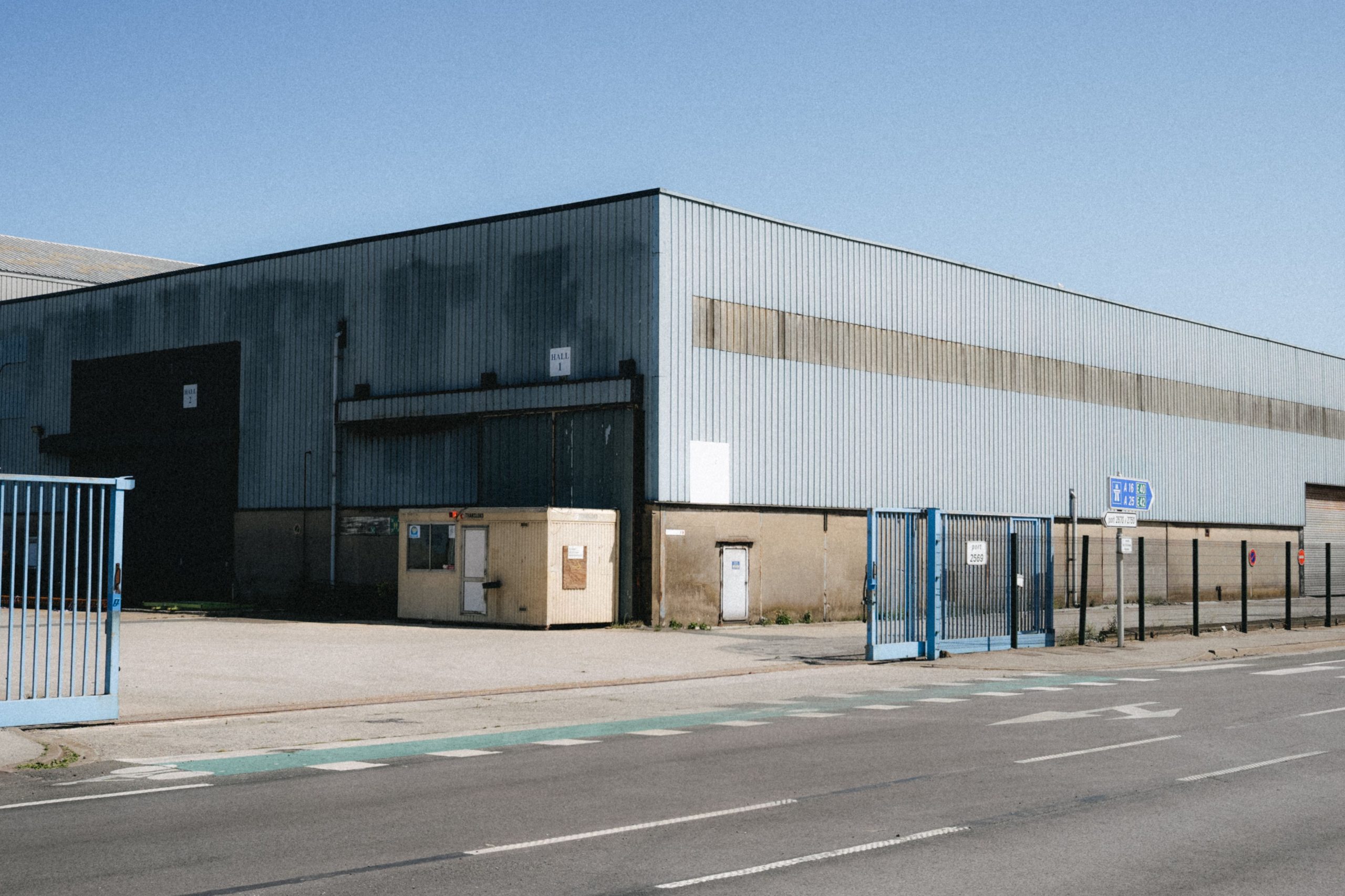
Location and Logistics Affect Industrial Property Value
Location is a critical factor in real estate, but when it comes to industrial properties, logistics and accessibility often weigh even heavier. For businesses operating warehouses, factories, or distribution centres, efficient movement of goods and materials is essential to profitability—and that drives demand and value.
Table of Contents
Transport Links and Access – Location and logistics affects property value
Industrial properties close to major highways, ports, rail lines, and airports typically command higher values due to:
- Reduced transport costs
- Faster delivery times
- Better connections to suppliers and customers
In the Garden Route, proximity to the N2 highway and key regional hubs like George and Mossel Bay can significantly impact property desirability.
Traffic Flow and Vehicle Access
The ability for trucks and heavy vehicles to easily access, manoeuvre, and park on site is a major consideration. Properties with:
- Wide entrance gates
- Adequate turning circles
- Sufficient loading and unloading areas
…are much more attractive to logistics-dependent tenants and buyers.
Industrial Nodes and Clusters
Industrial property often performs best when located near similar businesses. Industrial parks or clusters provide advantages like shared infrastructure, security, and services.
In the southern Cape, areas such as George’s industrial zones or Mossel Bay’s business parks benefit from this effect, increasing property values.
Visibility and Security – Location and logistics affects property value
For some businesses, visibility from main roads can support branding and marketing efforts. Secure sites with fencing, lighting, and surveillance add further value, especially for high-value goods or machinery.
Infrastructure and Utility Capacity
Beyond road access, the underlying infrastructure of a site plays a critical role in industrial property valuation. Reliable three-phase power supply is essential for most manufacturing and processing operations, and with ongoing electricity constraints in South Africa, properties with backup power solutions — generators, solar installations, or battery storage — increasingly command a premium.
Water supply and capacity, sewage and effluent handling, and telecommunications infrastructure (particularly fibre connectivity) are equally important, especially for businesses with specific operational requirements. A property that looks ideal on paper can lose significant value if its services can’t support the intended use, or if costly upgrades are needed before operations can begin.
Zoning, Compliance and Future Development Potential
Correct zoning is non-negotiable for industrial property, but it’s not the only consideration. Buyers and valuers alike should look closely at environmental approvals, any servitudes or restrictions on the title deed, and municipal development plans for the surrounding area.
A site zoned correctly today but earmarked for future rezoning — whether that opens up expansion potential or introduces new restrictions — can materially affect long-term value. In growth nodes like George and Mossel Bay, where industrial demand continues to rise alongside residential and commercial development, understanding a municipality’s long-term spatial development framework gives both buyers and sellers a clearer picture of where value is heading, not just where it sits today.
For owners considering expansion, confirming available bulk services and remaining bulk contributions with the local municipality upfront can avoid costly surprises later in the development process.
Taken together, these factors — transport access, site functionality, infrastructure capacity, and zoning certainty — form the fuller picture behind any credible industrial valuation. A property that scores well on location but poorly on infrastructure or compliance can still underperform its apparent potential, which is exactly why a proper valuation looks beyond square-metre rates and highway proximity alone.
Local Market Nuances – Location and logistics affects property value
The Garden Route’s diverse economy means industrial property needs vary. A logistics firm may prioritise highway access, while a manufacturer might value proximity to suppliers or labour pools. Understanding these nuances helps valuers provide more accurate assessments.
Conclusion
Location and logistics directly influence the value and marketability of industrial properties. When buying, selling, or valuing these assets, it’s essential to consider more than just square metre rates.
If you need expert industrial property valuations in the Garden Route or Klein Karoo, we provide tailored, local market reports that capture all these critical factors.

Contact Us
Claire King
Director and Professional Associated Valuer
Cell: 0732324407